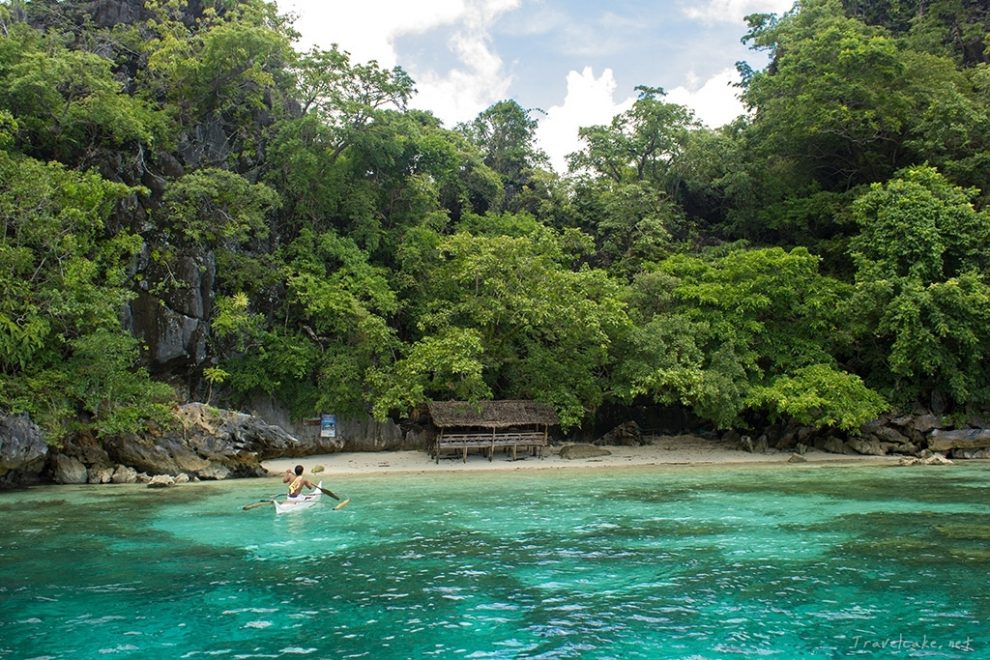
As I mentioned in an earlier post, I recently vacationed in Palawan, a stunning island province in the Philippines. Its raw natural beauty and its remarkable people blew me away.
Words don’t quite do it justice, but I hope these pictures can give you a glimpse of what made this place so special.
In no particular order,
What makes Palawan so great? Part I.
1. El Nido’s rock formations
Limestone spikes rising dramatically from azure waters, set against a backdrop of dense, tropical greenery—that’s the view you get when exploring the bays around El Nido town.
Astonishing is putting it mildly.

2. Kinilaw
This Filipino classic became my daily obsession. The popular dish is found throughout the Philippines, but particularly in Palawan. Diced fresh fish or shrimp, gently cooked by the tangy marinade of vinegar and calamansi (or lime) juice. Then spiced off with garlic, herbs, red onions and chillies. It’s the Asian cousin of ceviche and an absolute flavour bomb. Every place puts its own spin on it, so no two kinilaws are the same. I ate my weight in ot and I never once got bored.

3. Being in Palawan during low season
I’ll admit, I was worried. We were heading there in typhoon season. I pictured endless rain, soggy shoes, and card games in a damp hotel room.
Yes, it rained—almost every other day, but showers usually lasted between 20 minutes and two hours. And despite a few cloudy spells, the sun was more than eager to burn my skin.
But here’s the payoff: barely any tourists. We had major sights practically to ourselves. Even the dreaded group tours turned into private boat trips—just Douglas and me, for the price of a 15-person shared one.
Bonus: lower hotel prices and plenty of room to negotiate sweet deals. If you’re cool with the occasional tropical downpour, low season is the time to go.


4. BBQ-lunches on the beach
Every island-hopping tour includes a lunch stop. The boat crew brings out charcoal, a fresh catch, some meat, fruits, and veggies—and turns it all into a feast.
I came in expecting the usual bland group-tour food. What I got was a freshly grilled, deliciously local beach BBQ served on powdery sand, under palm trees.
I mean—come on.


5. Kayangan lake- Coron island
Ready for a refreshing swim in what’s said to be one of the cleanest lakes in Asia? Kayangan Lake is a mix of salt and fresh water and is one of the seven echanted lakes of Coron.
The indigenous Tagbanua tribe once believed spirits dwelled here and performed rituals to transfer them to larger lakes. Nowadays you can enjoy a serene, spirit-free dip in the calmest of waters while enjoying the scenery.Â
Important tip: go early. Really early. Before the boatloads arrive and shatter the peace.


6. The simple life
 Time slows in Palawan. Days revolve around family, friends, and taking things as they come. The “tomorrow is another day†vibe is contagious.
You start to reflect on what matters, on how little you actually need to feel fulfilled. You stop rushing. You breathe deeper. It’s an island state of mind we could all use a little more of.

7. The religion
The Philippines is predominantly Catholic, and after six months in Asia, I found the Christian influence unexpectedly comforting. Not that I was tired of pagodas, mosques, temples, or ashrams—it just felt familiar to be surrounded by kitschy Maria statues, roadside crucifixes, people saying grace before meals, and church bells on Sunday mornings.
Who would’ve thought?


Â
8. The rice fields
Palawan isn’t just about beaches and lagoons. Its bright green rice fields offer a whole different kind of beauty. While it may not boast the most iconic terraces in the Philippines, these fields add a peaceful contrast to the coastal scenes.
Wander through the countryside or hop on a scooter and watch them blur by—it’s a quiet kind of magic.


9. Wreck diving
More than 20 Japanese ships sank in Palawan’s waters during WWII. Once the site of destruction, they’re now underwater gardens—covered in coral and teeming with marine life.
Some wrecks lie 40 meters deep; others are shallow enough to snorkel. Floating from one room to the next with only a tiny torch to light the way gave me full-on Jacques Cousteau vibes.
We didn’t see that much marine life during our dives—but the atmosphere? Unforgettable.


10. Drop dead gorgeous beaches
I’ve seen a lot of dreamy beaches, but Palawan’s? Easily in my top 3. White sand, turquoise water, swaying palms—the stuff of cliché postcards and impromptu photo shoots.Â


Â
Stay tuned for part II with more great things about Palawan!Â
Have you ever heard of Palawan?
 The post “The Best of Palawan, Philippines. Part I.” first appeared on Travel Cake.

 Dutch
Dutch  English (United States)